
Managing MediaCredits
Picture, video and data credits
Every picture, video and dataset in this course:who made it, where it comes from and the licence that lets us show it.Thank you to everyone who shares their work freely.
The course home
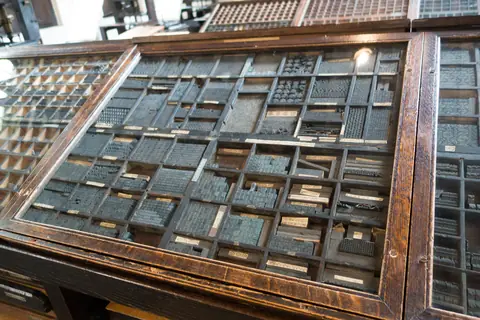 | A printer's case of metal type.Photo: "Lead type case" by Thomas Quine, CC BY 2.0, via Wikimedia Commons. |
Part 1: How the news is made, and how bias gets in
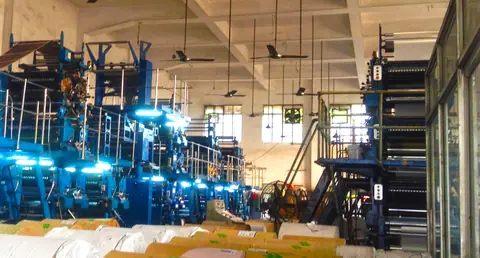 | Newspaper presses at work in Bhubaneswar, Odisha, with rolls of newsprint waiting in front.Photo: Subhashish Panigrahi, CC BY-SA 4.0, via Wikimedia Commons. Cropped by One Young India. The crop is shared under the same licence. |
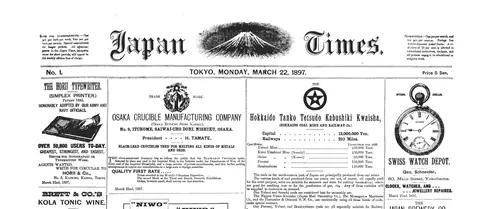 | The first issue of the Japan Times, 22 March 1897.Scan: The Japan Times, public domain (published in 1897 by the Japan Times, with no named author), via Wikimedia Commons. Cropped by One Young India. |
| Video | Introduction to Media Literacy: Crash Course Media Literacy #1From the channel CrashCourse. Watch the full video. |
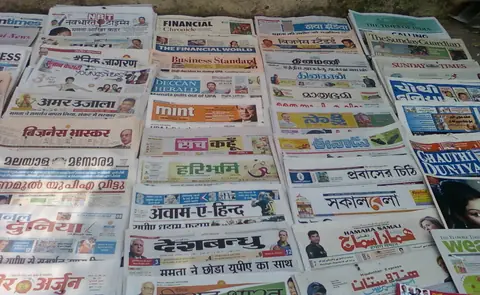 | Newspapers in many languages for sale in New Delhi.Photo: "Indian Newspapers" by Shajankumar, CC BY-SA 3.0, via Wikimedia Commons. Cropped by One Young India. The crop is shared under the same licence. |
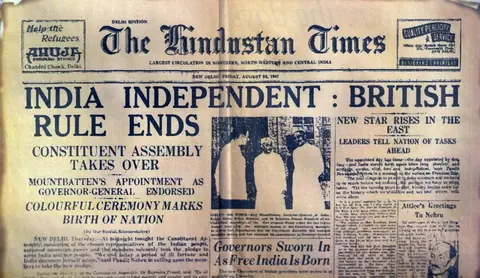 | The Hindustan Times on 15 August 1947.Scan: The Hindustan Times, public domain (published in 1947 by the Hindustan Times, with no named author), via Wikimedia Commons. Cropped by One Young India. |
| Video | Introduction to Cognitive Bias: Crash Course Scientific Thinking #1From the channel CrashCourse. Watch the full video. |
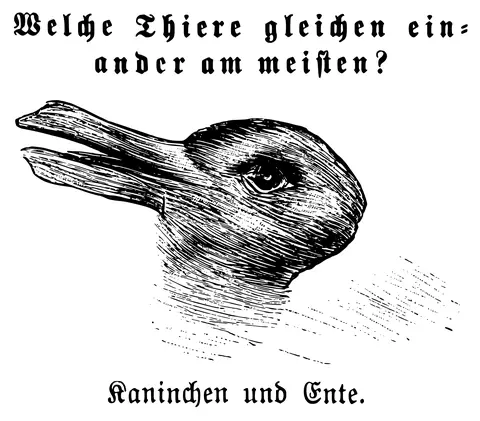 | One drawing, two animals: the oldest known version, from the German magazine Fliegende Blätter, 23 October 1892.Drawing: Unknown artist, public domain (published in 1892 with no named author), via Wikimedia Commons. |
| Video | Influence & Persuasion: Crash Course Media Literacy #6From the channel CrashCourse. Watch the full video. |
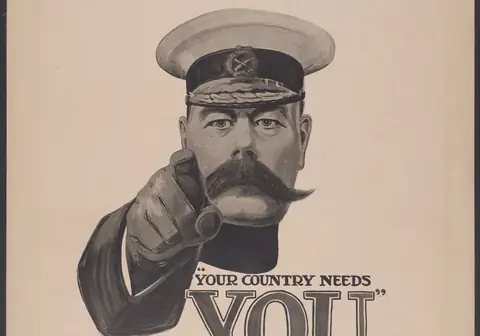 | Alfred Leete's drawing of Lord Kitchener, as the recruiting poster printed from the London Opinion cover.Poster: Alfred Leete, public domain (author died more than 70 years ago), via Wikimedia Commons. Cropped by One Young India. |
| Video | Media & Money: Crash Course Media Literacy #5From the channel CrashCourse. Watch the full video. |
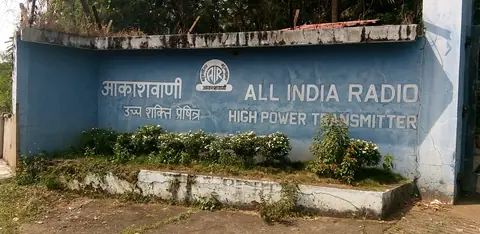 | The wall sign of an Akashvani transmitter at Taleigao, Goa.Photo: Keeganwild, CC BY-SA 4.0, via Wikimedia Commons. Cropped by One Young India. The crop is shared under the same licence. |
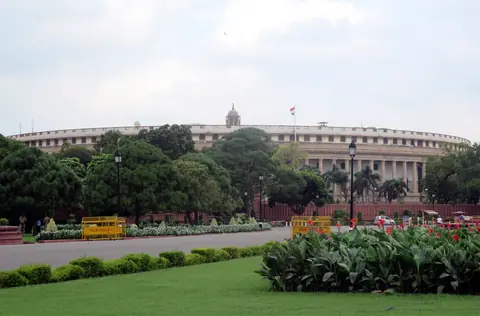 | The old Parliament House in New Delhi.Photo: Nikhil B/Wikimedia Commons, CC BY-SA 4.0, via Wikimedia Commons. |
Part 2: Truth, fakes and checking
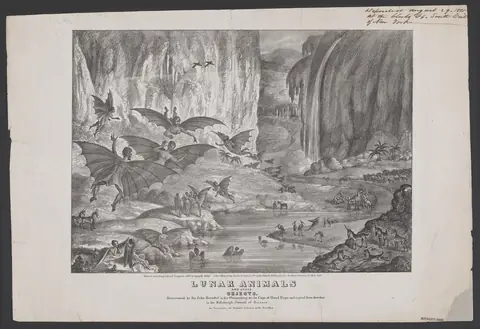 | A print sold in 1835 claiming to show animals that Sir John Herschel had seen on the Moon.Print: Benjamin H. Day, publisher, public domain (author died more than 70 years ago), via Wikimedia Commons. |
| Video | How false news can spread - Noah TavlinFrom the channel TED-Ed. Watch the full video. |
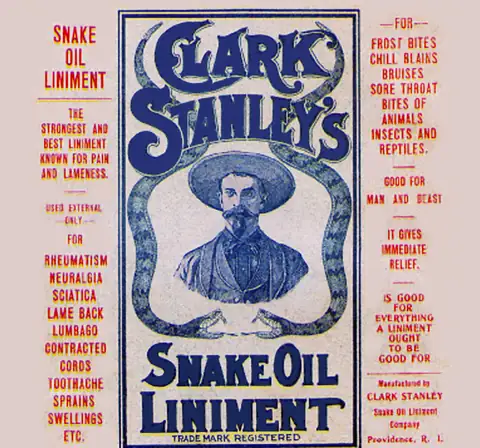 | An advert from about 1905 for Clark Stanley's Snake Oil Liniment, with the long list of pains it claimed to treat.Advert: Clark Stanley Snake Oil Liniment Company, public domain (published about 1905, with no named author), via Wikimedia Commons. Cropped by One Young India. |
| Video | Check Yourself with Lateral Reading: Crash Course Navigating Digital Information #3From the channel CrashCourse. Watch the full video. |
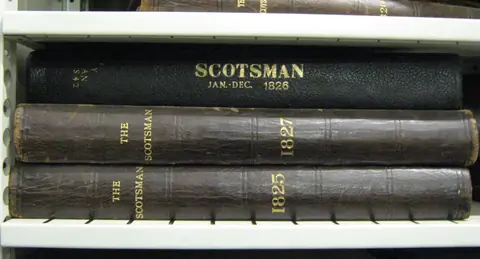 | Bound volumes of The Scotsman for 1825, 1826 and 1827 in Edinburgh's Central Library.Photo: "Central Library, Edinburgh - Newspaper archives 03" by Brian McNeil, CC BY 3.0, via Wikimedia Commons. Cropped by One Young India. |
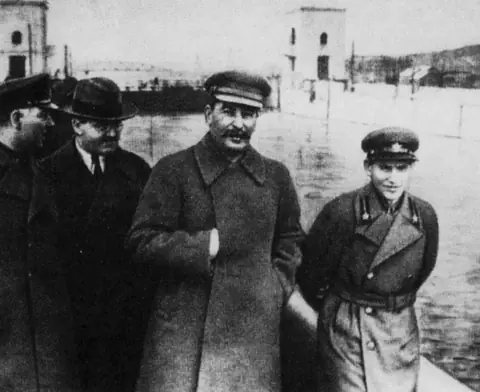 | The first version: Nikolai Yezhov, who had run the secret police, walks beside Stalin.Photo: Unknown photographer, public domain (Soviet photograph published before 1943 with no named author), via Wikimedia Commons. |
| Video | Evaluating Photos & Videos: Crash Course Navigating Digital Information #7From the channel CrashCourse. Watch the full video. |
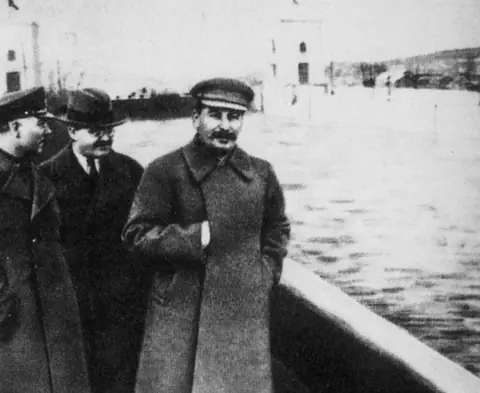 | An undated Soviet photograph of Kliment Voroshilov, Vyacheslav Molotov and Joseph Stalin.Photo: Unknown photographer, public domain (Soviet photograph published before 1943 with no named author), via Wikimedia Commons. |
| Video | How AI Deepfakes Are Really Made | Hany FaridFrom the channel NOVA PBS Official. Watch the full video. |
| Video | Large Language Models explained brieflyFrom the channel 3Blue1Brown. Watch the full video. |
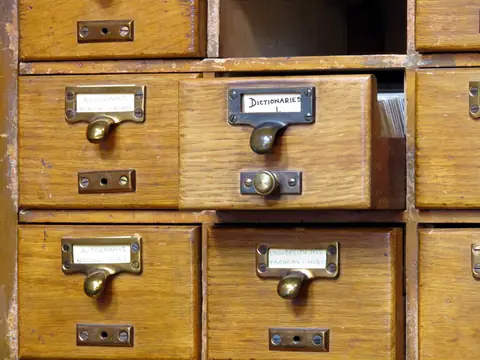 | A card catalogue at the John Rylands Library in Manchester.Photo: "Card catalog John Rylands Library 03" by Alicia Fagerving, CC BY-SA 3.0, via Wikimedia Commons. |
Part 3: Attention and the feed
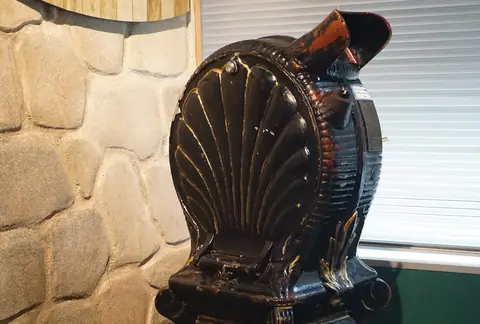 | A Mutoscope, an early machine for watching moving pictures, in a museum in Texas.Photo: Michael Barera, CC BY-SA 4.0, via Wikimedia Commons. Cropped by One Young India. The crop is shared under the same licence. |
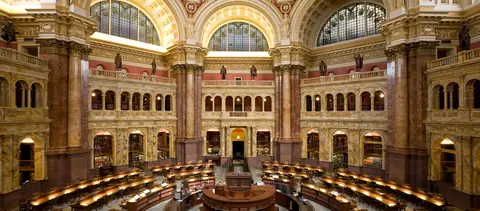 | The main reading room of the Library of Congress in Washington, D.C.Photo: Carol M. Highsmith, public domain (released into the public domain by the photographer), via Wikimedia Commons. Cropped by One Young India. |
| Video | The difference between classical and operant conditioning - Peggy AndoverFrom the channel TED-Ed. Watch the full video. |
| Video | What lack of sleep does to the teenage brain - Wendy TroxelFrom the channel TED-Ed. Watch the full video. |
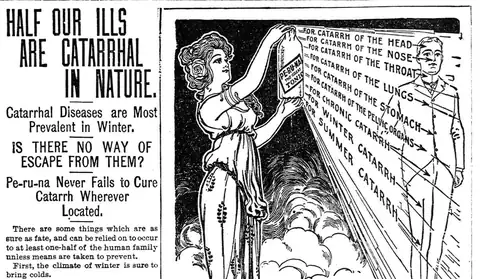 | A Peruna tonic advert in the Lexington Dispatch, 17 December 1902.Scan: Unknown author, public domain (advert published in 1902 with no named author), via Wikimedia Commons. Cropped by One Young India. |
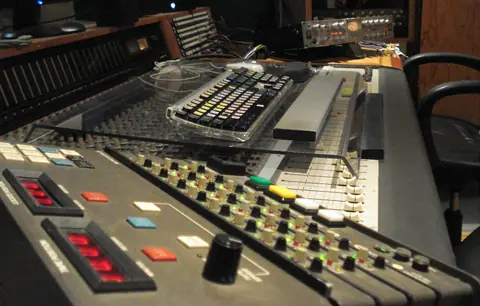 | A mixing desk in a recording studio, where the parts of a song are put together.Photo: Manuelherreramaldonado, CC BY-SA 4.0, via Wikimedia Commons. Cropped by One Young India. The crop is shared under the same licence. |
Part 4: Your footprint, your diet and your question
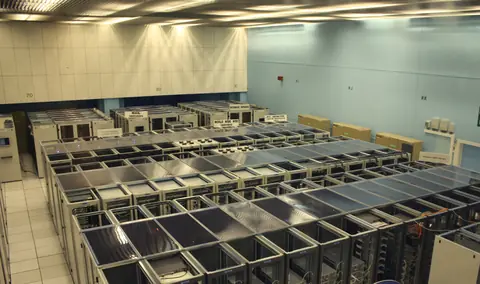 | Rows of computer servers in a data centre at CERN.Photo: "Cern datacenter" by Hugovanmeijeren, CC BY-SA 3.0, via Wikimedia Commons. Cropped by One Young India. The crop is shared under the same licence. |
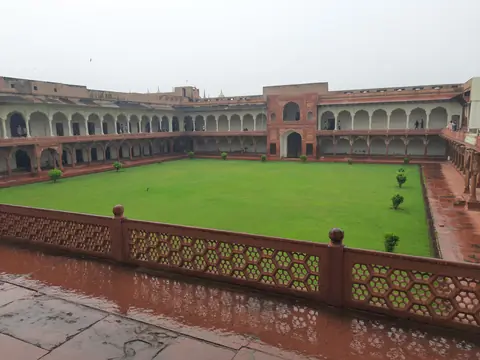 | A phone photo of the lawns inside Agra Fort.Photo: WmcRahulSaini, CC BY-SA 4.0, via Wikimedia Commons. |
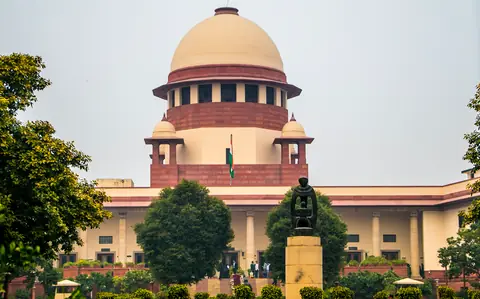 | The Supreme Court of India in New Delhi.Photo: Subhashish Panigrahi, CC BY-SA 4.0, via Wikimedia Commons. |
| Video | How to choose your news - Damon BrownFrom the channel TED-Ed. Watch the full video. |
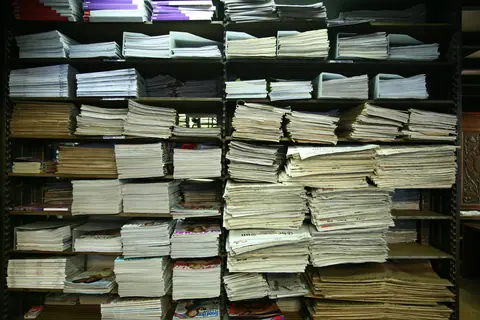 | Newspapers and magazines piled on a periodical rack at the New York Public Library.Photo: Daniel Schwen, CC BY-SA 4.0, via Wikimedia Commons. |
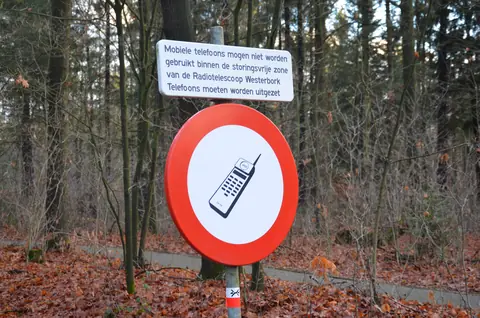 | A sign at the Westerbork radio telescope asks visitors to switch phones off, so they cannot interfere with the telescope.Photo: Steven Lek, CC BY-SA 4.0, via Wikimedia Commons. |
The free preview
| Newspaper presses at work in Bhubaneswar, Odisha, with rolls of newsprint waiting in front.Photo: Subhashish Panigrahi, CC BY-SA 4.0, via Wikimedia Commons. Cropped by One Young India. The crop is shared under the same licence. |
| The first issue of the Japan Times, 22 March 1897.Scan: The Japan Times, public domain (published in 1897 by the Japan Times, with no named author), via Wikimedia Commons. Cropped by One Young India. |
| Video | Introduction to Media Literacy: Crash Course Media Literacy #1From the channel CrashCourse. Watch the full video. |
| Newspapers in many languages for sale in New Delhi.Photo: "Indian Newspapers" by Shajankumar, CC BY-SA 3.0, via Wikimedia Commons. Cropped by One Young India. The crop is shared under the same licence. |
Pictures are public domain or under a Creative Commons licence that allows reuse with credit; each one links to its licence and its source. Charts are drawn by One Young India from the data named under them. Videos play from their own channels.
Something wrong or missing?
Write to info@oneyoungindia.com.