
One Young India
Model NITI AayogThe self-⁠paced course
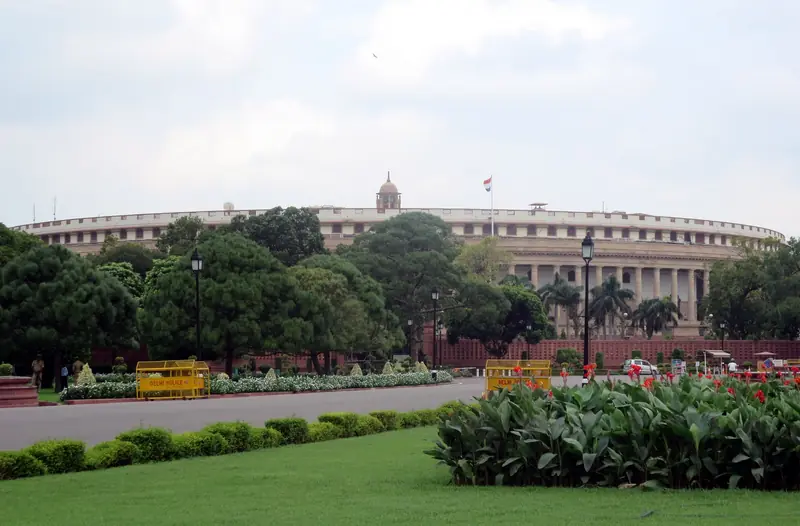
The round, colonnaded old Parliament House in New Delhi behind lawns, trees and a garden of flowering plants.
The old Parliament House in New Delhi, now called Samvidhan Sadan.Photo: Nikhil B/Wikimedia Commons, CC BY-⁠SA 4.0, via Wikimedia Commons.

Model NITI AayogThe self-⁠paced course

Learn to make policy,and write a white paper of your own.

41 chapters in four parts, about 18 hours, at your own pace.Pick the problem your white paper will tackle, and take the course on your own or live with a cohort.Everything you write saves on this device, chapter by chapter.

Start freeOpen the courseChapter 1 is free. The live programme opens every chapter.
Comes with the live Model NITI Aayog programme₹17,700 for four days on Zoom, including GST. It includes this course and a year of Learnacy Essential.

Next batches

  • 24-27 Dec · Online
  • 7-10 Jan 2027 · Online

Booked a batch, or in Learnacy Essential since before 1 November 2026? Log in.

1LearnEach chapter tells a story, gives you something to drive, and ends with a note sheet for your own paper.
2PractiseEvery chapter ends with five questions.Pass with 4 right, as often as you need, and each answer comes with its reason.Your problem, outline, stress test and pitch carry forward from one day to the next.
3FinishPass every chapter check for a certificate of completion with a link anyone can use to verify it.Draft your white paper in the Writing Studio, get feedback, and submit it when the paper is ready.Publication depends on review and is not guaranteed.

What the course covers

Day 1The world of policy makingFoundations, India's machinery, PESTEL, stakeholders

10 chaptersAbout 4½ hoursChapter 1 free

You makeYour policy canvas

Not started

See the chapters in Day 1
  1. 1What is public policy?What counts as public policy, and where is it hiding in your day?Free25 min
  2. 2Why have governments?Why should anyone obey a government at all, and what do we get in return?25 min
  3. 3Who decides in India?Who actually has the power to act on a problem in India?30 min
  4. 4Meet NITI AayogWhat does NITI Aayog do, and why did India replace the Planning Commission?20 min
  5. 5The policy cycleHow does a problem become a policy, and where do good policies fail?20 min
  6. 6The policy toolkitWhich tools can a government use, and how do you choose the right mix?25 min
  7. 7PESTEL analysisHow do you see the whole world around a problem, not just one side of it?25 min
  8. 8StakeholdersWho wins, who loses, and who could block your policy?25 min
  9. 9Policy challengesCan your team make a decision that survives every lens, and convince the room in two minutes?45 min
  10. 10Your paper and next stepsWhat do you need to do before Day 2?15 min
Open Day 1

Day 2From problem to paperEvidence, analysis methods, writing the white paper

10 chaptersAbout 4½ hours

You makeYour problem statement and paper outline

Not started

See the chapters in Day 2
  1. 1What is a white paper?What is a white paper, and why can a few pages change so much?20 min
  2. 2Anatomy of a paperWhat are the parts of a strong policy paper, and what does each one do?25 min
  3. 3Sharpen the problemHow do you turn a vague worry into a problem a policy can actually solve?25 min
  4. 4Where evidence livesWhere do you find trustworthy evidence about India, and how do you judge a source?25 min
  5. 5Don't get fooled by dataHow can true numbers still mislead you, and how do you catch it?20 min
  6. 6Weighing the optionsHow do professionals compare options before recommending one?30 min
  7. 7Costs, benefits and changeIs it worth the money, and how exactly will it work?25 min
  8. 8Writing itHow do you write the one paragraph a busy minister will read?25 min
  9. 9Paper sprintCan you leave today with the skeleton of your white paper?35 min
  10. 10From draft to publishedHow is your paper reviewed, and what earns publication?15 min
Open Day 2

Day 3Dialogue for developmentThe Economic Survey and the Budget: economy, infrastructure, energy, jobs, technology

10 chaptersAbout 4 hours

You makeYour stress test and a joint plan

Not started

See the chapters in Day 3
  1. 1Reading the economyThe Economic Survey is the government's own report card on the economy. Which numbers does it read, did its forecast come true, and what do the numbers miss?25 min
  2. 2The budgetIf the Survey is the report card, the Budget is the plan with rupees attached. Where does the money come from, where does it go, did the government spend what it planned, and what does borrowing cost?25 min
  3. 3Growth and jobsThe Economic Survey says India needs about 78.5 lakh new jobs outside farming every year. Why can a fast-growing economy still fall short, and what is the Budget paying for?20 min
  4. 4InfrastructureBudget 2026-27 puts ₹12.2 lakh crore into building roads, railways and other assets. Why does infrastructure matter so much, and why is the money so hard to spend well?25 min
  5. 5EnvironmentWhen one choice harms others, from farm smoke to coal's carbon, how should policy respond, and what should the Budget pay for?25 min
  6. 6Science and technologyHow should a government steer, and fund, a technology before it fully understands it?20 min
  7. 7The dialogueWhy can no single ministry solve a big problem, and how do ministries agree when they all draw on one Budget?40 min
  8. 8Development challengesCan you weigh the economy, infrastructure, environment and technology in one decision, and say which Budget line pays for it?25 min
  9. 9Stress-test your paperWill your recommendation survive contact with the rest of government, and does the Survey back it and the Budget pay for it?25 min
  10. 10Before Day 4What did you learn today, and what will your group ask for in its Budget 2027-28 on Day 4?10 min
Open Day 3

Day 4Governance and strategySurvey to Budget, delivery, welfare, foreign policy, your final pitch

11 chaptersAbout 6 hours

You makeYour two-minute pitch and the whole-course notebook

Not started

See the chapters in Day 4
  1. 1From the Survey to the BudgetHow does the Economic Survey's advice become the Budget, and what would your sector ask for next year?90 min
  2. 2Can the state deliver?Money budgeted is not money spent. Why do good policies and well-funded schemes fail on the ground, and what makes a state able to deliver them?25 min
  3. 3Welfare: who gets help?Who should get help, and in what form: cash, a job or a service? What do the Economic Survey and the Budget say?30 min
  4. 4India and the worldWhat does India want from the world, and what do the Economic Survey and the Budget say about getting it through trade?25 min
  5. 5The neighbourhoodWhy are a country's neighbours both its biggest opportunity and its hardest problem, and what would make them want to rely on India?20 min
  6. 6Thinking strategicallyHow do you make a good move when everyone else is also making moves?25 min
  7. 7The crisis roomWhat do you decide in the first 48 hours, when everything is urgent and nothing is certain?30 min
  8. 8Governance challengesCan you decide, debate and design like a policy maker?20 min
  9. 9The final pitchCan you make your case in two minutes, the way a ministry makes its Budget ask, and then answer the panel's questions?45 min
  10. 10From pitch to publishedWhat happens between today and your published white paper?15 min
  11. 11What nextWhat did you learn, where can policy take you, and how will you read next year's Survey and Budget?10 min
Open Day 4

One enrolment, two ways to learn

With the live programme

The self-⁠paced course

41 chapters, about 18 hours, at your own pace: the stories, the interactives, the note sheets and the whole-⁠course notebook, on this page.

Comes with every enrolment

See the live programme · Read the first chapter free

Live with a cohort

The live programme

16 hours on Zoom over four days, with faculty and a cohort: debates, a crisis simulation and a panel for your pitch. Every participant writes a white paper. Publication depends on review and is not guaranteed.

₹17,700, including GST Includes this course and a year of Learnacy Essential

See dates and enrolment

Five threads through the course

Each runs through all four parts. Follow one from start to finish.

Verify before you trust

AI writes fast and sounds sure. Check every claim before it goes in your paper.

Day 2Verify before you trust: an AI wrote this briefDay 3Check this claim: the gold came homeDay 4Check your three numbers
How do we know it worked?

Real Indian studies that compare a policy with what would have happened without it.

Day 2The chain of change: bicycles for girlsDay 3The road that changed who works whereDay 4Two years at a glanceDay 4Two experiments, different answers
Find the number

One public number a day for your own problem, with its source and date.

Day 1Find the number: who speaks for you?Day 2India's data mapDay 2Find the number: prove your problem is realDay 3Two documents to read India byDay 3What the Survey saysDay 3The Survey and the Budget, two years at a glanceDay 3What the Survey says, and what the Budget didDay 3Find the number: your state's budgetDay 3The Survey and the Budget: the Union's moneyDay 3What the Survey says about jobsDay 3The Survey and the Budget: jobs and farmsDay 3What the Survey says about buildingDay 3The Survey and the Budget: infrastructureDay 3What the Survey says: two kinds of smokeDay 3The Survey and the Budget: energy and climateDay 3What the Survey says: the funder's hat, in rupeesDay 3The Survey and the Budget: technologyDay 3What the Survey says: one Budget, many asksDay 3What the Survey says: announcing is easy, spending is hardDay 3What the Survey says, and does the Budget pay?Day 3Day 4: your group writes Budget 2027-⁠28Day 4Seven sectors: what the Survey said, what the Budget didDay 4Your group's Budget 2027-⁠28Day 4What the Survey and the Budget sayDay 4What the Survey says, and what the Budget spendsDay 4Find the number: one scheme in your districtDay 4What the Survey saysDay 4What the Survey and the Budget sayDay 4What the Survey says, and what you ask for
Digital India

The digital rails India built, what they do well, and who they can leave out.

Day 3Three hats the state wearsDay 3Digital India: rails the world now studiesDay 4India's welfare map
Delivery

Most policies fail in the district, not in Delhi.

Day 1A national policy goes round: Swachh Bharat MissionDay 4The empty classroom
Your notebook

Every note sheet, choice and draft you write is kept on this device. In Day 4, chapter 10, you can download the whole course notebook as one file. Go to the course notebook

Model NITI Aayog is One Young India's simulation of policy work. It is not affiliated with NITI Aayog or any government body.