
One Young India
Everyday EconomicsThe self-⁠paced course
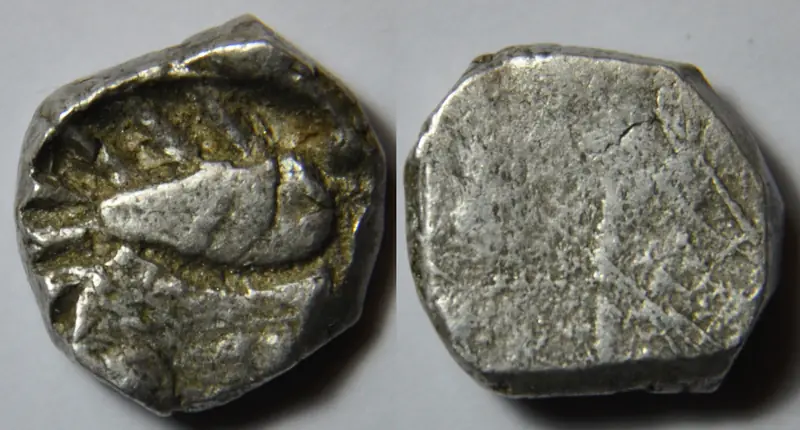
The two sides of a small, worn, uneven silver coin stamped with a fish, on a plain grey background.
A silver punch-⁠marked coin of Avanti, a kingdom of ancient India, seen from both sides. Coins like it were made in India more than two thousand years ago.Photo: "I13 12karshapana Avanti 1ar (8481304617)" by Jean-⁠Michel Moullec from Vern sur Seiche (35, Bretagne), France, CC BY 2.0, via Wikimedia Commons.

Everyday EconomicsThe self-⁠paced course

Every choice has a cost.Read the economy,and learn to manage money.

25 chapters in four parts, about 12 hours, at your own pace.

It ends with a question you build yourself: find its number, then say who gains and who pays.Every claim and figure was checked against its source.

Start freeOpen the courseThe welcome and chapter 1 are free. Learnacy Essential opens every chapter.
Included in Learnacy Essential₹1,499 for the year, including GST. One payment, no automatic renewal.

Not sure yet? Start free. Already a member? Log in.

1LearnEach chapter opens on an everyday question about money or choices, then tells its story.Most add something to try: a slider, a game, a simulator.
2PractiseEvery chapter ends with five questions.Pass with 4 right, as often as you need, and each answer comes with its reason.
3FinishPass every chapter check and the final round for a certificate of completion with a link anyone can use to verify it.

What the course covers

Part 1Money and pricesWhat money is, how inflation is measured, and how the RBI steers it

6 chaptersAbout 3 hoursChapter 1 free

Not started

See the chapters in part 1
  1. Before you beginWelcome: economics is about choicesIs economics about money?Free10 min
  2. 1What money isWhy will a shopkeeper hand you something real for a piece of paper?Free25 min
  3. 2From gold to paperIf a rupee promises no gold, why is it worth anything?25 min
  4. 3Measuring inflationHow does India know prices rose by 5.54%?25 min
  5. 4Who wins and who losesWhen prices rise, who quietly gets richer?25 min
  6. 5The RBI and the repo rateWho decides what your family pays on a loan?30 min
  7. 6When money breaksWhat happens when people stop trusting their money?30 min
Open part 1

Part 2Markets and your moneyPrices, rules, your budget, compounding, borrowing, risk and safety

7 chaptersAbout 3 hours

Not started

See the chapters in part 2
  1. 7Demand and supplyWhy did tomatoes cost more than petrol one summer?25 min
  2. 8When rules set the priceShould the government ever decide a price?25 min
  3. 9Your budgetYou get ₹2,000 this month. Where does it go?25 min
  4. 10Compounding and timeWhy can starting at 15 beat saving for more than three times as long?25 min
  5. 11Borrowing and the price of moneyIs a loan good or bad?25 min
  6. 12Risk and returnWhy can't you have high returns and no risk?25 min
  7. 13Money rails and staying safeWhat happens in the seconds after you scan?30 min
Open part 2

Part 3Reading the economy, and your mindGDP, India's numbers, the Union Budget, and the tricks that steer choices

7 chaptersAbout 3 hours

Not started

See the chapters in part 3
  1. 14GDP: the value addedIf you cook dinner at home, does India get richer?25 min
  2. 15India's numbersIs India a rich country or a poor one?25 min
  3. 16What GDP missesWhat does the economy forget to count?25 min
  4. 17The Union Budget, a household budgetWhere does the government's money come from, and where does it go?30 min
  5. 18Why ₹999 worksWhy does a ₹999 price tag feel so much cheaper?25 min
  6. 19Losses, defaults and nudgesWhy do we keep whatever is already chosen for us?25 min
  7. 20Behavioural policy in India and the worldCan a government test what works before it spends?25 min
Open part 3

Part 4India and the world, and your questionTrade, tariffs, the rupee, globalisation, and the question you will write on

5 chaptersAbout 3 hours

Not started

See the chapters in part 4
  1. 21Why countries tradeHow many countries made your phone?25 min
  2. 22India in world tradeWhat does India sell to the world?25 min
  3. 23Tariffs and who paysWho really pays a tariff?25 min
  4. 24The rupee and the reservesWhy does the price of a dollar matter to you?25 min
  5. 25Globalisation: winners and losersIf trade makes a country richer, why do some people oppose it?25 min
  6. The wrap-upYour question, and what nextSo, coming back: is economics about money?40 min
Open part 4
Your certificate

A certificate of completion, issued when you pass every chapter check and the final round while logged in. It names the course and its length, about 12 hours. It is not a grade, an examination result or an accreditation.

Everyday Economics is for learning, and it is not financial advice. It names no bank, fund, coin or app. Talk to a parent or guardian before any money decision.