






Model G20 2027 at FLAME University, registrations now open

Model G20

About · The Experience

Step into the room where
the world’s economy gets negotiated.

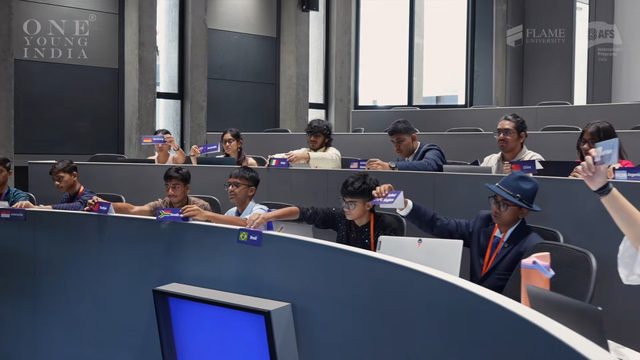
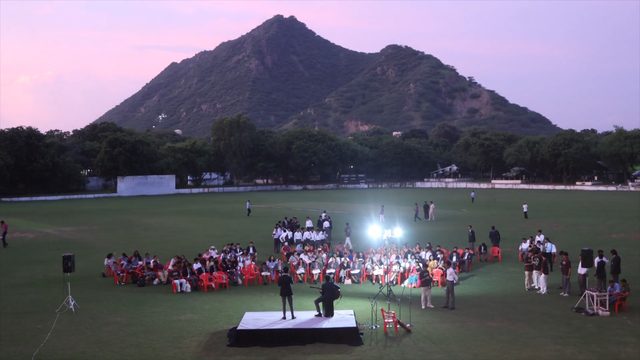
Model G20 is an immersive simulation of the G20, the forum of the world’s 21 leading economies. Delegates take on the global agenda (climate action, international finance, the digital economy), step into the shoes of world leaders and negotiate a shared communiqué by consensus, with the academic rigour of actual policy-making.

  • Host campus and knowledge partner
  • Programme partner
85%of global GDP
75%of world trade
⅔of the world’s population

The G20 is where the decisions that move the world are made, which is why simulating it teaches more than a mock debate.

What makes it different

Not a debate club, a summit.

Model G20 simulates how the world’s largest economies get things done: by consensus. See how it compares to Model UN →

Economics first

You work the G20’s own agenda: economic stability, climate, trade, digital governance.

Decided by consensus

No majority vote and no veto. Delegates negotiate a shared communiqué, the harder, more authentic diplomatic skill.

Structured like a G20 summit

Dual Sherpa & Finance tracks, lobbying, crisis simulations and communiqué drafting, closer to how the summit actually runs.

Before, during and after

How a summit unfolds.

The work starts long before you arrive, and continues long after you leave.

01 Weeks ahead Before the summit

Delegates get a research pack and track brief, tell us the working groups and G20 members they would most like, and write a position paper, so they arrive prepared.

02 Four nights On campus

A day of training, then two summit days of debate, negotiation and drafting, from opening statements to a signed communiqué.

03 Ongoing After the summit

Standout white papers are published through One Young India, top delegates are recognised for their work, and every delegate leaves with a certificate and a network. Publication depends on review and is not guaranteed.

On campus

The summit, day by day.

Delegates arrive on the FLAME University campus by the evening of Thursday 17 June and leave on Monday 21 June.

Day 1: Friday 18 June, Training
  • Opening ceremony and keynote address
  • Training in the rules of procedure and in how a G20 text is agreed by consensus
  • Briefings for the Sherpa and Finance tracks, and for each working group
  • Position-paper and white-paper workshops with mentors
Day 2: Saturday 19 June, Summit day one
  • The working groups meet and begin to negotiate their part of the communiqué
  • Moderated and unmoderated caucus
  • Working lunch and talks across the two tracks
  • Evening: sport and rest on campus
Day 3: Sunday 20 June, Summit day two
  • The working groups settle their text
  • The Leaders’ Session adopts the communiqué by consensus
  • Awards for the best delegates in each working group
  • Certificates and closing ceremony

What delegates do

Debate · Research · Certify · Present.

Debate

Take on real-world topics like artificial intelligence, energy, trade and debt across the Sherpa and Finance tracks.

Research

Delegates submit academic white papers, shaped in workshops with mentors.

Certify

Receive a joint certificate of participation from One Young India and FLAME University.

Present

Top delegates present their communiqué to the full summit and are recognised for the strongest position papers.

What you leave with

Skills a mock debate can’t give you.

  • Confident public speaking and structured argument
  • A working grasp of world affairs and geopolitics
  • Negotiation, alliance-building and consensus skills
  • A published-quality white paper

Select papers are eligible for publication through One Young India. Publication depends on review and is not guaranteed.

Ready to take a seat at the table?

Step up from Model UN
to Model G20.

Delegates in Grades 8 to 12 welcome. The 2027 residential summit at FLAME University, Pune, is taking registrations now.